
- Home
- Treatments
- Acne treatment
Skin
Acne treatment in Vehari
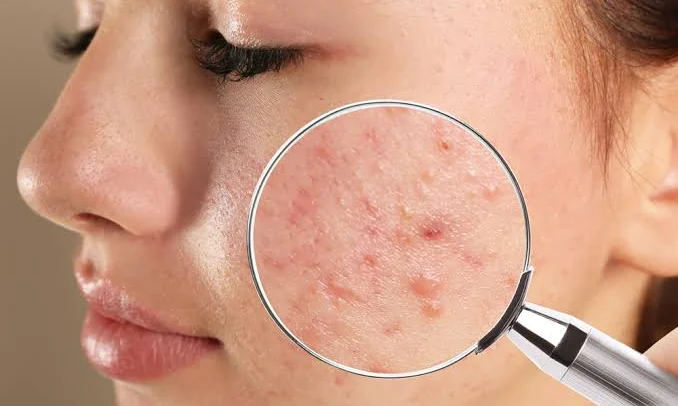
Active acne is a medical condition, and we treat it as one. Inflammation first, over eight to twelve weeks — then marks and scarring, once the skin is calm.
What it is
Acne is not a hygiene problem and it is not something a facial will fix. It is an inflammatory condition involving oil production, abnormal shedding of cells inside the pore, bacteria, and in many patients hormones. Treatment has to address the mechanism, not the surface.
This is why our acne plans start with medicine rather than machines. A properly chosen topical regimen — and where indicated an oral treatment — does more in eight weeks than a course of facials will do in a year. Once the skin has stopped actively breaking out, then we look at the marks and scarring left behind.
That order is not negotiable, and it is where a lot of acne treatment goes wrong. Resurfacing skin that is still inflamed makes post-inflammatory pigmentation worse, particularly in brown skin. Patients often arrive having had exactly that done to them.
We also look for causes. Adult-onset acne along the jawline, with irregular periods or unusual hair growth, points to a hormonal picture worth investigating rather than simply suppressing.
Benefits
- Treats the mechanism of acne, not just the visible spots
- Reduces the risk of permanent scarring by controlling inflammation early
- Addresses hormonal causes rather than repeatedly treating symptoms
- A written regimen you understand, with a review every four weeks
- Post-acne marks and scarring planned as a second phase, in the right order
- Honest guidance on which products in your current routine to stop
Who it suits — and who it doesn't
A good candidate if…
- You have active spots, congestion or cystic lesions
- You have tried over-the-counter products without lasting success
- Your acne is leaving dark marks or scars
- You can commit to a regimen for at least eight weeks
- You are willing to simplify your current product routine
Not suitable, or postponed, if…
- You are pregnant or breastfeeding — several acne medicines are unsafe, so the plan changes entirely
- You want an instant fix before an event in a few days
- You are unwilling to stop the harsh scrubs or unlabelled creams currently in use
- You expect a single facial to resolve it
This list is not exhaustive. Your medical history, medications and previous treatments are reviewed at consultation, and that review sometimes changes the plan.
The procedure, step by step
- Assessment. Type and severity graded, distribution mapped, and a full history taken including periods, medications, family history and everything currently on your face.
- Investigation where indicated. Blood work for hormonal patterns — this is not routine, but it matters in adult women with jawline acne or other signs.
- Stop what is harming. Often the fastest improvement comes from removing something: an unlabelled fairness cream, a harsh scrub, a steroid cream someone recommended.
- Medical regimen. A written topical plan, and oral treatment if the severity justifies it, with clear instructions on how to introduce each product to avoid irritation.
- Four-week review. Photographs compared, response assessed, strength adjusted. Most patients see meaningful change between weeks four and six.
- Phase two, once clear. Peels for residual marks, or microneedling and RF for textural scarring — started only after the skin has been calm for a period.
Recovery and aftercare
The medical plan itself has no downtime, but there is an adjustment period. New topicals commonly cause dryness, mild flaking and some irritation for the first two to four weeks. This is expected and usually settles; we tell you how to manage it rather than have you abandon the plan.
Some regimens cause an initial worsening around weeks two to three before improvement begins. Knowing that in advance is the difference between a patient who continues and one who gives up at the worst point.
Throughout: daily broad-spectrum SPF 30+, non-comedogenic. Sun makes post-acne marks darker and slower to fade, which undoes much of the visible progress.
Results you can expect
Most patients see a clear reduction in new breakouts by week four to six, with continued improvement through weeks eight to twelve. Cystic and hormonal acne is slower and may need a longer course.
Marks versus scars. The flat brown or red patches left after a spot heals are marks, not scars, and they fade on their own over three to twelve months — faster with sun protection. True scars are indentations in the skin's structure and do not fade; they need remodelling. Telling these apart at the start prevents both false hope and unnecessary treatment.
Acne is often a condition to be controlled rather than cured, particularly where hormones drive it. Many patients stay on a reduced maintenance regimen afterwards, and that is a success rather than a failure.
Pricing. The consultation is charged as a consultation. Medicines are prescribed and bought at a pharmacy — we do not mark them up. Procedural phases such as peels or microneedling are quoted separately once we reach that stage, and only if they are needed.
Frequently asked questions
How long before I see improvement?
Usually four to six weeks for a visible reduction in new spots, with continued improvement to twelve weeks. Anyone promising clear skin in a week is not describing how acne works.
Will my acne come back if I stop treatment?
Often, yes — particularly hormonal acne. Most patients move to a lighter maintenance regimen rather than stopping entirely, which keeps it controlled.
Can I get a facial or HydraFacial instead?
A HydraFacial helps mild congestion and oiliness but will not control inflammatory acne. Using facials as your acne treatment usually costs more and delays real improvement.
Do I need blood tests?
Not routinely. We investigate when the pattern suggests a hormonal cause — jawline distribution, adult onset, irregular periods, unusual hair growth.
Is it safe to treat acne during pregnancy?
Some treatments are, many are not — several standard acne medicines are strictly contraindicated. Tell us at consultation and we will build a plan around what is safe.
What about my dark marks — will they go?
Post-inflammatory marks fade over three to twelve months with sun protection, and can be sped up with peels once acne is controlled. Genuine scars are structural and need a different approach.
I've been using a fairness cream and my acne got worse. Why?
Many unlabelled creams contain steroids, which suppress inflammation briefly and then cause a rebound that is often worse than the original problem. Bring the product to your consultation.
Can I squeeze spots?
No. Squeezing pushes inflammation deeper, which is how a mark becomes a scar. If a lesion needs drainage, it should be done in clinic with sterile technique.
Written and medically reviewed by Dr. Bareera Usman, MBBS
Last reviewed: July 2026. This page is general information, not a diagnosis or a treatment plan for any individual.
Next step
Get a proper acne plan
A full assessment, a written regimen, and a four-week review — not a shelf of products.
Near Gymkhana, VehariMon–Sat, 1:00 PM – 8:00 PM · 0302-1436060